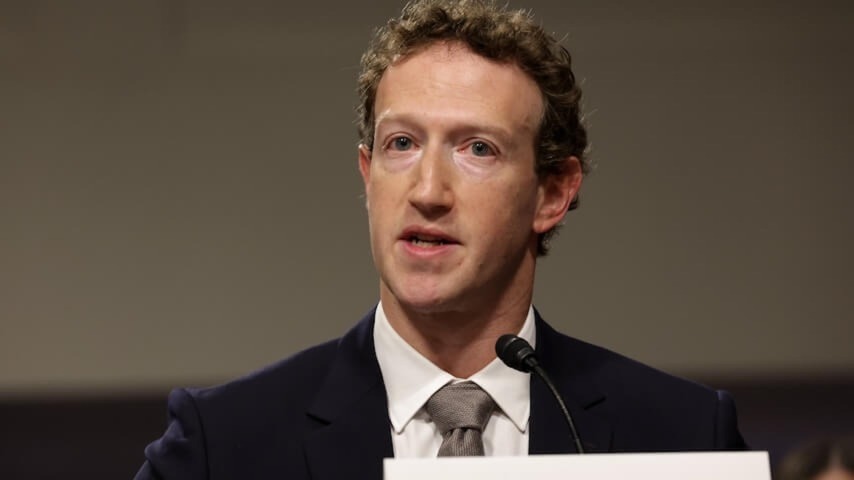
Mark Zuckerberg is known for his ambitious visions for the future of the metaverse, but his latest proposal has left many in the tech world scratching their heads. The Meta CEO is reportedly pushing his designers to develop a money-free betting alternative to prediction markets like Kalshi and Polymarket, in a bid to address concerns over addiction.
The move is a significant shift in direction for Meta, which has been under fire in recent months for its handling of online addiction and its impact on vulnerable users. With the rise of prediction markets and social gaming, there's been growing concern over the blurring of lines between entertainment and reality. For many, the prospect of turning everyday events into high-stakes wagers has become a slippery slope, leading to financial ruin and social isolation.
Zuckerberg's proposal is an attempt to mitigate this issue, but it's a tricky one. By removing the financial element, would prediction markets lose their appeal? Would users still engage with the platforms, or would they lose interest in the absence of real-world stakes? The answer lies in the psychology of addiction, where the thrill of uncertainty and the rush of adrenaline can be just as potent as the promise of profit. Can a money-free alternative replicate this effect, or will it fall flat?
The implications of Zuckerberg's proposal are far-reaching, with potential ripples throughout the gaming and tech industries. If successful, it could set a new standard for responsible gaming practices, forcing other platforms to re-examine their own approaches to online engagement. Conversely, if the initiative fails, it could have significant consequences for Meta's reputation and user trust. The stakes are high, but one thing is certain: this is a bold move from Zuckerberg, one that could either revolutionize the way we interact with prediction markets or leave users feeling short-changed.
As the tech world waits with bated breath to see how this plays out, fans of Meta's platforms are left wondering what this means for the future of Kalshi and Polymarket. Will these platforms adapt to the new direction, or will they continue to operate as before? One thing is certain: this is a turning point for Meta, and the outcome will have far-reaching consequences for the future of online gaming and prediction markets. The question is, will Zuckerberg's gamble pay off, or will it end in disaster?